
Before You Buy a Firearm This Holiday Season, Read This
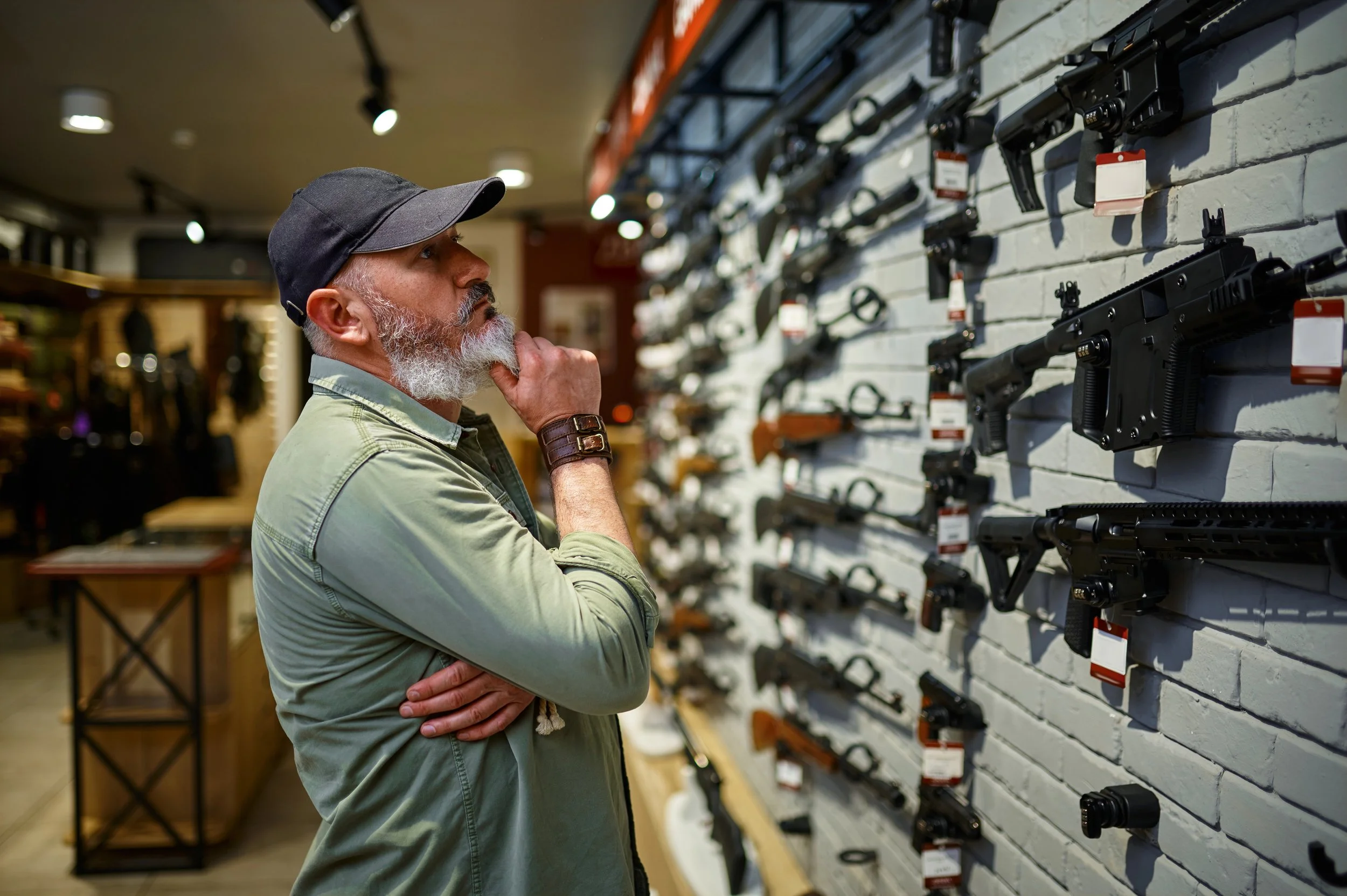
The holiday season brings sales, gift cards, year-end purchases, and plenty of advertisements for firearms and accessories. For many people, it is also when they decide to purchase their first firearm.
There is nothing wrong with taking advantage of a good price. The problem is when the purchase becomes the entire plan.
A firearm is not like buying another piece of outdoor equipment and putting it in a closet until you need it. Ownership comes with responsibilities that begin the moment you bring it home: safe handling, secure storage, understanding applicable laws, learning how the firearm operates, and developing enough skill to use it responsibly.
That means the best first purchase may not simply be a firearm.
It may be a firearm, a secure storage solution, and a training plan.
Before you walk into a gun store or click on a holiday sale, take a few minutes to think through what happens after the purchase.
Questions to Ask Before Buying Your First Firearm
Start with the most important question:
Why do you want a firearm?
Your answer influences almost every decision that follows.
Someone looking for a firearm primarily for recreational target shooting may have different needs than someone considering concealed carry or keeping a firearm for home protection.
You do not need to know exactly which make or model you want yet. You should, however, understand the role you expect the firearm to fill.
Ask yourself:
What is my primary reason for owning it?
Will other responsible adults in my household need access to it?
Are children or unauthorized persons present in the home?
Where will it be stored?
Am I prepared to train with it regularly?
Do I understand the laws and responsibilities associated with ownership and carry?
What additional equipment will I realistically need?
Budget deserves consideration too.
The sticker price of the firearm is only one part of the cost of responsible ownership. Depending on your situation, you may also need secure storage, eye and ear protection, ammunition, range fees, cleaning equipment, a quality holster if you intend to carry, and professional instruction.
Another common mistake is choosing a firearm entirely because someone else likes it.
Your friend, spouse, salesperson, or favorite online personality may love a particular firearm. That does not automatically make it appropriate for you.
Hand size, strength, comfort, experience, intended use, ability to manipulate the controls, and other individual factors matter.
If you are unsure, getting some instruction before purchasing can often save you from buying something that does not fit your needs.
Why Training Should Be Part of the Purchase Plan
Buying the firearm gives you equipment.
Training helps you develop the ability to use that equipment responsibly.
That distinction matters.
Professional marksmanship doctrine has long recognized that providing a firearm by itself is not sufficient; training is necessary to develop safe, confident, and capable performance.
For a civilian owner, that idea translates into something very simple:
Ownership does not automatically create competence.
A new firearm owner should understand much more than how to make the firearm fire.
Training should help build a foundation that includes:
Firearm safety
Safe loading and unloading
Understanding the firearm's controls
Basic handling
Marksmanship fundamentals
Storage and access considerations
Range procedures and etiquette
Legal and ethical responsibilities
Appropriate practice habits
Training should also progress over time.
Good instruction is not based solely on consuming information. Effective training is organized around developing and evaluating actual performance—a concept emphasized in formal training doctrine as standards-based and performance-oriented learning.
For a first-time owner, however, that does not mean you need an advanced tactical course immediately.
Start with the foundation.
Learn to safely handle the firearm. Develop the basic skills necessary to operate it confidently. Then decide what additional training matches the reason you purchased it.
For example, someone interested in concealed carry will eventually need skills and knowledge beyond basic marksmanship. Someone primarily interested in recreational shooting may follow a different path.
The important thing is having a path at all.
What New Owners Should Do Immediately After Buying
Once the firearm comes home, avoid the temptation to simply put it away and assume you will figure everything out later.
The first few weeks of ownership are when you should establish good habits.
1. Learn Your Specific Firearm
Firearms differ in controls, operating systems, safety mechanisms, maintenance requirements, and handling characteristics.
Read the manufacturer's manual.
Learn the controls and understand how the firearm is intended to operate before attempting to practice with it.
If anything is unclear, get instruction rather than guessing.
2. Establish Safe Storage
Safe storage should ideally be planned before the firearm comes home.
Your storage method should prevent unauthorized access while taking your household circumstances into account.
A home with children, frequent visitors, roommates, or other individuals who should not have access to the firearm requires particular attention to this issue.
Do not make storage an afterthought.
3. Learn the Laws That Apply to You
Firearm laws vary by jurisdiction and can change.
Understand the laws that apply where you live, where you travel, how you transport the firearm, and—if concealed carry is part of your goal—where and under what circumstances you may legally carry.
Do not rely exclusively on social media, a friend, or something you remember hearing years ago.
Use current authoritative sources and appropriate professional instruction.
4. Schedule Your First Training
You do not need to become an expert before going to a class.
That is what training is for.
In fact, receiving good instruction early can prevent you from spending months reinforcing habits that later need to be corrected.
A beginner-focused class or one-on-one session can help you establish the fundamentals and identify what you should work on next.
5. Build a Follow-On Practice Plan
Your first class should not be the end of your training.
Think of it as the beginning.
Your progression may eventually include dry-fire practice, live-fire practice, additional marksmanship instruction, concealed-carry education, defensive training, medical preparedness, or other skills based on your goals.
You do not need to do everything immediately.
You simply need to know what your next step is.
The First 30 Days Matter
The best time to build responsible ownership habits is at the beginning.
Instead of treating the firearm purchase as the finish line, think of it as the starting point:
Define your reason for purchasing → Choose appropriate training → Plan secure storage → Complete your first class → Build a follow-on practice routine.
That process is far more valuable than simply walking into a store and asking, “What's the best gun?”
There is no single firearm, accessory, or class that is right for everyone.
The better question is:
What do I need to become a safe, informed, and capable owner?
That answer starts before the purchase.
Buying Your First Firearm?
Tactical Trash Pandas helps new and prospective firearm owners build a clear path forward without assuming they already know what they need.
If you are still deciding what to purchase, start with our Firearms & Accessories Beginner's Field Guide.
If you already purchased your first firearm and want help getting started, our 1:1 Beginner Pistol Training provides individualized instruction based on your firearm, experience level, and goals.
If concealed carry is part of your plan, our Virginia Concealed Carry Course can help you understand the responsibilities that come with carrying a firearm.
And if you just brought your first firearm home and are wondering, “What should I do next?”, start with the First 30 Days Ownership Plan.
Buy thoughtfully. Store responsibly. Train deliberately. Keep building from there.
Tactical Trash Pandas
Ready for Anything, Prepared for Everything.
Defeat Complacency.