
Better Range Work Starts Before You Get to the Range
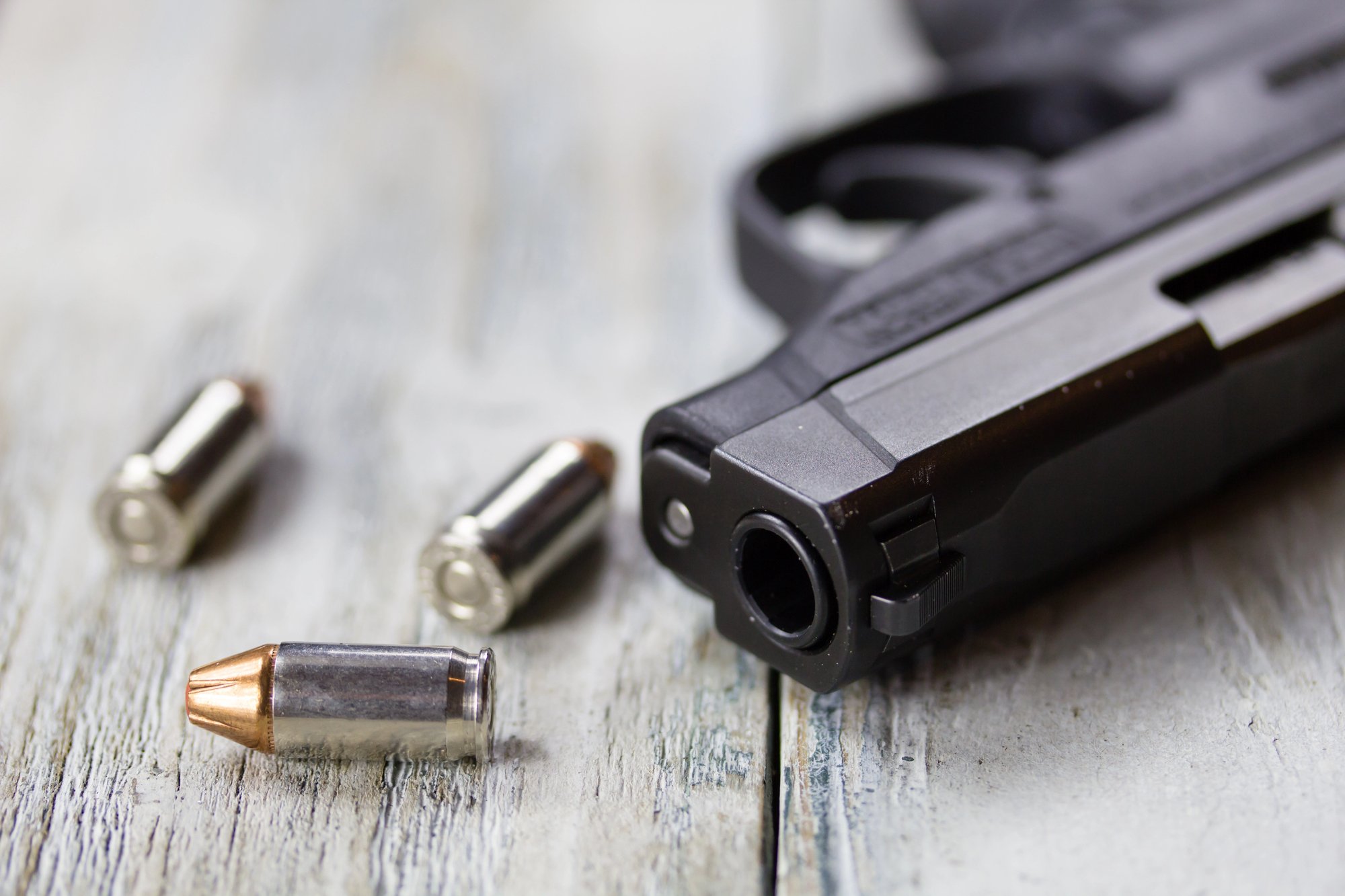
Going to the range feels like training.
You load your magazines, hang a target, fire a few groups, make some adjustments, and hopefully leave shooting a little better than when you arrived.
But simply firing more rounds does not automatically build more skill.
For many shooters, the biggest opportunity to improve happens before they ever step onto the firing line.
Preparation matters.
Dry-fire practice matters.
Understanding what you are trying to improve matters.
And having a purpose for your range session matters.
When those pieces come together, live fire becomes something more valuable than simply putting rounds downrange. It becomes a way to confirm what you have been practicing, identify what still needs work, and decide what your next training step should be.
That is how you start getting more value from your time, ammunition, and range fees.
Why Random Range Time Does Not Always Build Skill
There is nothing wrong with recreational shooting.
If your goal is simply to enjoy an afternoon at the range, that is perfectly reasonable.
But recreational shooting and deliberate skill development are not necessarily the same thing.
One of the most common mistakes shooters make is arriving at the range without knowing exactly what they intend to work on.
They shoot a few magazines.
Change distances.
Try to shoot faster.
Move the target again.
Maybe finish with a favorite drill.
Then they pack everything up and leave.
They may have fired 100 or 200 rounds, but what exactly improved?
That can be difficult to answer.
Skill development works better when there is a specific purpose behind the session.
Instead of asking:
“What should I shoot today?”
A more useful question is:
“What part of my shooting am I trying to improve or evaluate today?”
That difference matters.
Live ammunition is relatively expensive. Range time costs money. Your available practice time is limited.
You want those resources working toward something.
A structured range session might focus on confirming whether previous practice is carrying over into live fire, identifying a particular weakness, or determining whether additional instruction would help.
The range then becomes part of the training process rather than the entire training process.
What You Should Practice Before Your Next Range Trip
Some of the fundamental actions involved in shooting can be worked on without firing a live round.
That is where properly conducted dry fire can become useful.
Dry fire allows you to spend time working with your firearm, equipment, visual information, and movement patterns without paying for ammunition every time you want to practice.
More importantly, it gives you opportunities for repetition that would be difficult or expensive to duplicate entirely at the range.
That does not mean simply handling your firearm around the house and pulling the trigger repeatedly.
Dry fire should still have structure.
Before beginning, you should know what you are trying to accomplish.
For example, you may recognize that you consistently struggle with one portion of your shooting process. Instead of waiting until your next range visit to work on it, you can begin addressing the underlying skill during safe practice at home.
The important concept is:
Identify the problem first. Then choose practice that addresses the problem.
That is significantly different from randomly cycling through exercises.
Safety must also remain the foundation of any dry-fire practice.
Your dry-fire area should be deliberately established, live ammunition should be separated from the practice environment, and the firearm should be verified according to your established safety procedures before practice begins.
The goal is not simply to practice more.
The goal is to practice with purpose and discipline.
How Dry Fire, Coaching, and Structured Drills Work Together
The strongest training systems do not depend on one method.
Dry fire, structured drills, coaching, and live fire each serve a different purpose.
Dry Fire Builds Repetition
Dry fire gives you an opportunity to work on skills more frequently without requiring a range trip every time you practice.
It can help you become more familiar with your equipment and spend additional time working through the physical and mental processes involved in shooting.
But dry fire also has limitations.
You do not have recoil.
You do not have the sound and physical feedback of live ammunition.
And most importantly, you may not always recognize your own mistakes.
That is where other parts of the training process become valuable.
Structured Drills Give Practice a Purpose
A structured drill provides a defined problem to work on.
Instead of simply repeating the same motion over and over, the shooter has something specific to process or accomplish.
That is one of the ideas behind the TTP Modular Dry-Fire Target System.
The system is designed to give shooters more variety and structure during dry-fire practice by creating opportunities to work with different visual cues, target areas, and training objectives.
The target itself does not make someone a better shooter.
The value comes from having a more organized way to practice.
Good training tools should help answer the question:
“What am I working on right now?”
Coaching Helps Identify What You Cannot See
Self-practice is valuable, but there is another challenge:
You are practicing through your own perspective.
Sometimes the problem you think you have is not actually the source of the problem.
An instructor may see something you cannot.
That is where 1:1 coaching becomes especially useful.
Personal instruction allows a coach to observe your current performance, identify specific issues, and help determine what deserves your attention.
Instead of spending months reinforcing the wrong solution, coaching can help point your practice in a more productive direction.
Live Fire Confirms the Work
Eventually, skills practiced away from the range need to be evaluated under live-fire conditions.
That is one of the most important roles of range training.
Live fire provides feedback that dry fire cannot completely reproduce.
You can see what happens when recoil, ammunition, distance, timing, and the environment are added back into the process.
The question becomes:
Did the work you practiced at home carry over when the firearm actually fired?
If it did, you continue developing it.
If it did not, you now have new information to work with.
Programs such as Marksmanship Simplified can help students build a stronger understanding of that process by combining instruction with structured skill development rather than treating the range as an ammunition-burning exercise.
A Smarter Training Cycle
Better shooters do not necessarily spend every available weekend at the range.
They make better use of the training opportunities they have.
A simple training cycle looks like this:
Identify → Practice → Confirm → Adjust
You identify something that needs improvement.
You work on the underlying skill through safe, structured practice.
You confirm your progress during live fire.
Then you use what happened at the range to determine what deserves attention next.
Sometimes you can continue practicing independently.
Sometimes you need a better training tool.
Sometimes you need instruction.
Knowing the difference is part of becoming a more intentional student.
Make Your Next Range Trip Count
Your next range session should not begin when you walk through the range doors.
It should begin before you leave home.
Know what you want to accomplish.
Use your practice time intentionally.
Pay attention to where your performance begins to break down.
Then use live fire to confirm whether the work you have been doing is producing the result you want.
You do not necessarily need more ammunition.
You need a better reason for every round you fire.
Tactical Trash Pandas offers structured training options designed to help students move from simply practicing to developing their skills with a clearer purpose.
Ready to make your training more intentional?